
History
Dubai’s history is as fascinating as its skyline is dazzling today. What began as a humble fishing and pearl-diving village on the Arabian Gulf has grown into one of the world’s most visited destinations.
For centuries, traders from Persia, India, and Africa sailed into Dubai Creek, bringing with them spices, textiles, and traditions that shaped the city’s cultural fabric. Walking through Al Fahidi Historical District or visiting the old Gold and Spice Souks, you’ll still feel echoes of this vibrant past.
The discovery of oil in the 20th century brought rapid development, but Dubai has always been about more than just modern wonders. Its heritage lives on through traditional architecture, bustling markets, desert traditions, and warm Emirati hospitality.
Exploring Dubai means experiencing both the old and the new — a rare chance to journey through time while enjoying all the comforts of a modern city.
Geography
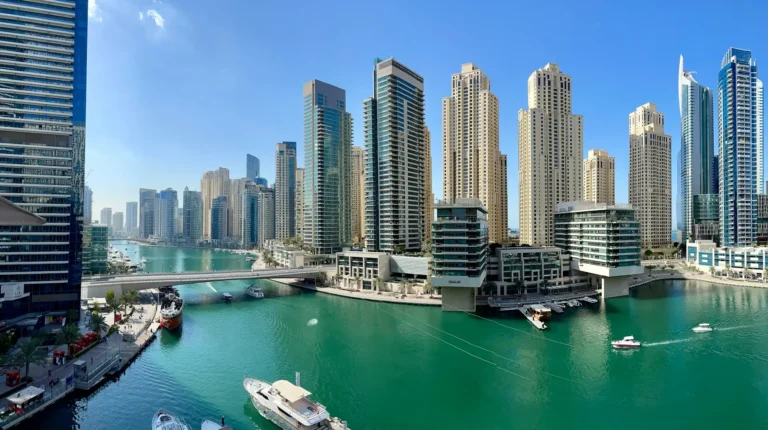
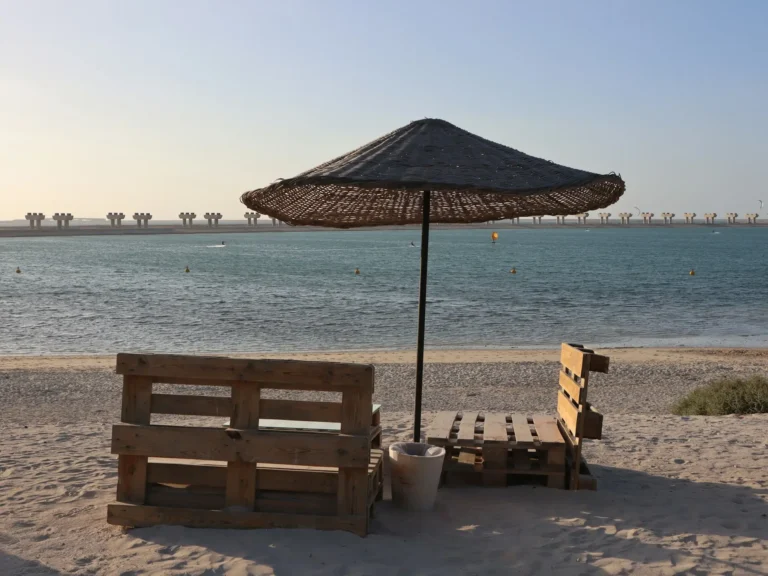
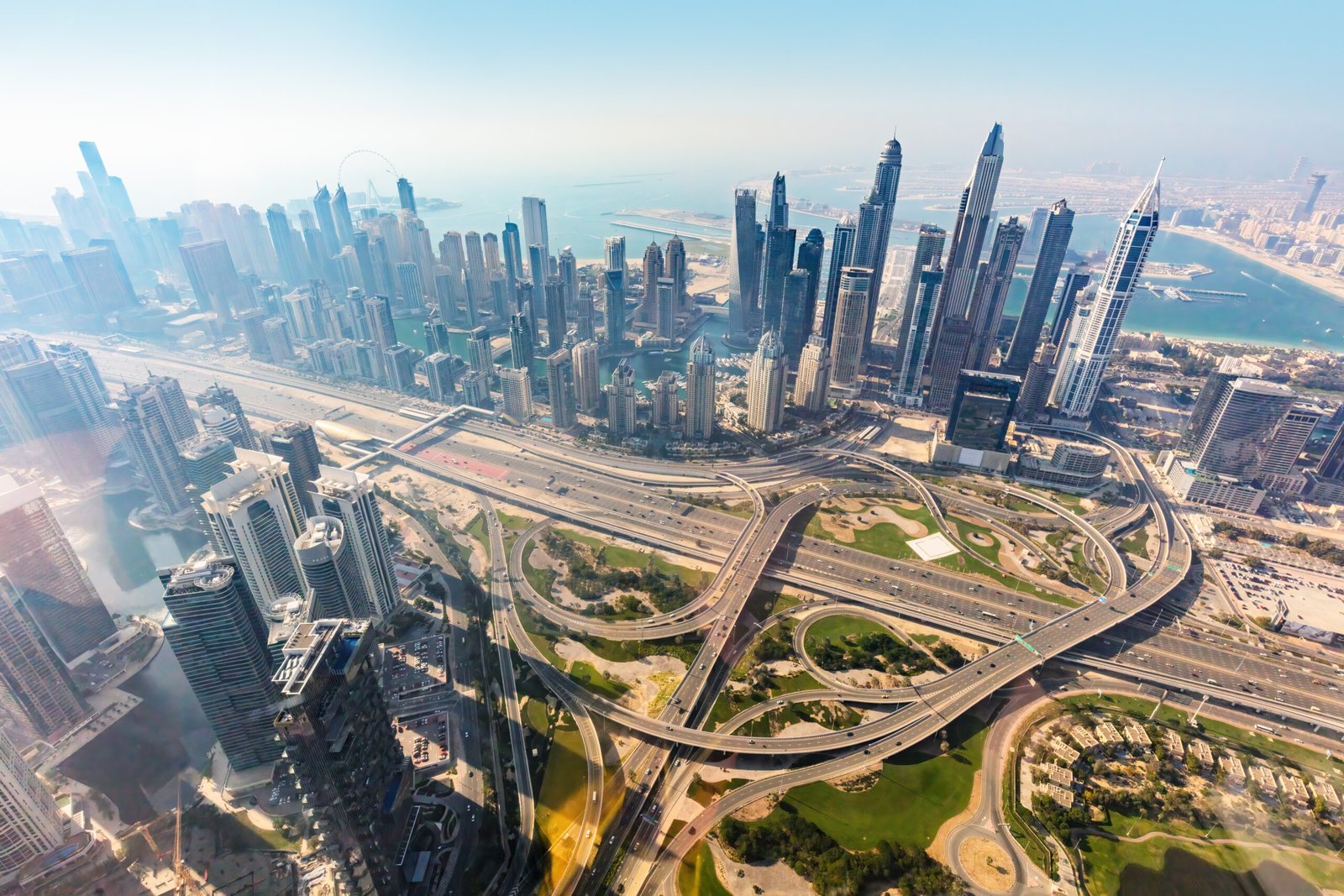
Dubai is a city where desert meets the sea, creating a striking landscape that’s as diverse as its culture. Nestled along the southeast coast of the Arabian Gulf, Dubai stretches across golden dunes, natural salt flats, and a sparkling shoreline that frames the city’s modern skyline.
The heart of old Dubai lies around Dubai Creek, a natural inlet that once served as the lifeline for pearl divers and traders. Today, traditional wooden boats (abras) still cross the waters, offering a glimpse of the city’s heritage.
Beyond the city, you’ll find vast deserts perfect for safaris, rolling sand dunes for adventure seekers, and pristine beaches that invite relaxation. Dubai’s geography also includes man-made marvels like the Palm Jumeirah and The World Islands, where innovation reshapes the coastline into iconic shapes visible even from space.
From tranquil beaches to endless deserts, Dubai’s unique setting offers travelers an extraordinary mix of adventure, culture, and relaxation.